
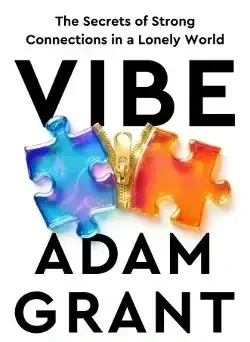
I have just finished reading Vibe: The Secret of Strong Connections in a Lonely World by Adam Grant. It is essentially a self-help book for adults, using psychological research to reframe how we think about friendship and connection, the importance of relationships and community to our mental health, as well as practical strategies we can use to build and maintain connections as adults.
Grant starts the book by opening up about the loneliness he experienced in his childhood and teen years. He is vulnerable about feeling incredibly shy and introverted when he was young, exploring the pain of being excluded from his friend group at school and the awkwardness that didn't resolve until his college years. These early experiences compelled Grant to explore what conditions were needed for genuine connection and to delve deep into the research on friendship.
Although the focus of the book is on adults, there is so much in there that can help children and teens make friends. These were the two main takeaways for me:
1. Forget about finding a "bestie"—find Associates, Allies, Pals, and Companions
The research is in on "besties". Children and teens who rely on just one friend to meet all their social needs are inevitably disappointed or heartbroken. The pressure to share identical values, interests, deep understanding, undivided loyalty, and geographic convenience is usually too much for one person,and things inevitably end in tears. Anyone who has worked with Year 6 girls could tell you this without needing research!
Grant argues that we need to look for, nurture, and embrace four distinct types of relationships for a healthy social life:
Associates: Largely transactional and practical, where both people fulfill a mutual need. For young people, this might be the classmate who always lends you a pen, and you pay them back by sharing your pencil sharpener.
Allies: Built around a shared goal. An ally can be someone who barracks for the same footy team or plays alongside you on the basketball court.
Pals: People who share specific interests and with whom you have fun. My daughter found lots of pals through her love for Taylor Swift, and my son through his passion for musical theatre.
Companions: These are rare and precious connections where you share core values and connect on a deeper level, even if your daily interests, goals, or routines differ.
Companions can be hard to find, and meeting them takes a bit of luck. One way we can support children and teenagers is by encouraging them to invest in building relationships with allies, pals, and associates. They might not be there for the long haul like companions, but they play a vital role in helping young people feel connected and grounded.
2. The Power of Proximity
I found the research on how chance and proximity fuel friendship development fascinating.
There has been extensive research trying to predict what makes people "click." You might expect it to be shared IQ, personality, or values. But no, the single most powerful predictor of whether people become friends is simply proximity. Consistently, studies from the 1950s to the present day show that we are most likely to become friends with the person sitting next to us, living down the street, or placed next to our name on the school roll.
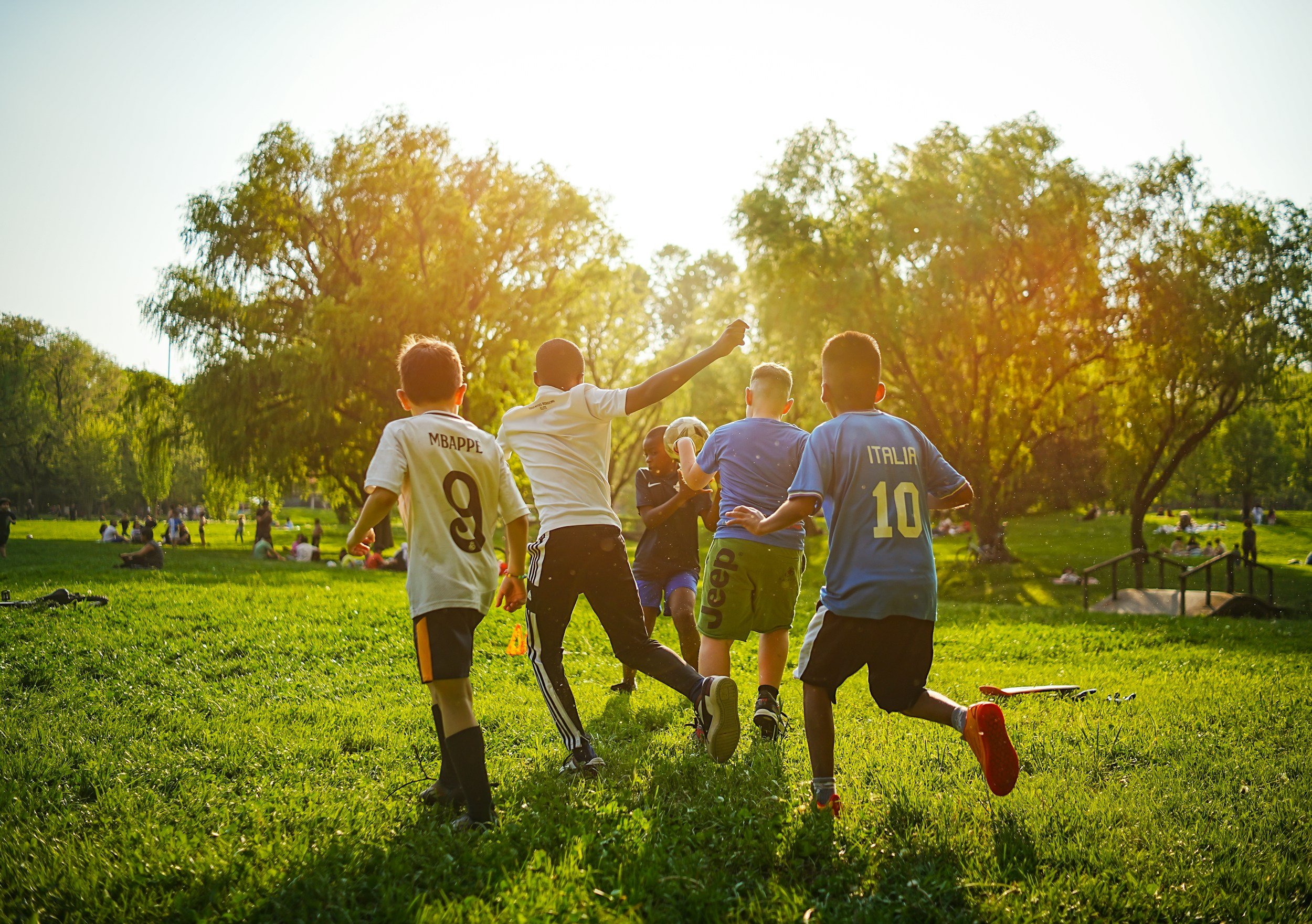
As parents and educators, we can support young people by encouraging them to join activities outside of school. Joining groups where they regularly see the same familiar faces is the most reliable way to spark new connections. Even visiting the local park or attending footy matches helps trigger this proximity effect.
And if a new connection remains "just" a pal or an ally, that is more than okay. A life rich in pals, allies, and associates provides a deep sense of belonging.
A Note on Parental Modelling
Although not explicitly covered in Vibe, modelling these relationship skills in our own adult lives is one of the most effective ways to teach our children. It is worth reflecting on whether we make space to nurture our own associates, pals, allies, and companions.
Sustaining our own social ecosystem isn't just good for our kids to watch, it is essential for our own mental health. After all, no one can pour from an empty cup.